How to Stop Smoking Without Willpower Alone: The Neuroscience of Clarity
Have you ever noticed that the harder you try to stop smoking, the more you seem to think about it? You wake up with the best intentions: "Today is the day." You throw away the lighter, you hide the packet, and you brace yourself. You use every ounce of grit you have to get through the morning.
But then, 3:00 PM hits. You’ve had a stressful meeting, you haven't eaten properly, and suddenly, that voice in your head starts whispering. By 5:00 PM, you’re at the petrol station buying a pack of twenty.
You feel like a failure. You think you lack "willpower."
But here is the secret most people, and most stop-smoking programmes, don’t understand: Willpower is the problem, not the solution.
To quit smoking without willpower, you don’t need more grit. You need clarity. You need to understand the neuroscience of how your brain is currently sabotaging you, and how to get the "Adult" and the "Small Child" in your mind to finally agree.
The Biology of the Struggle: Why Your Brain Fails You
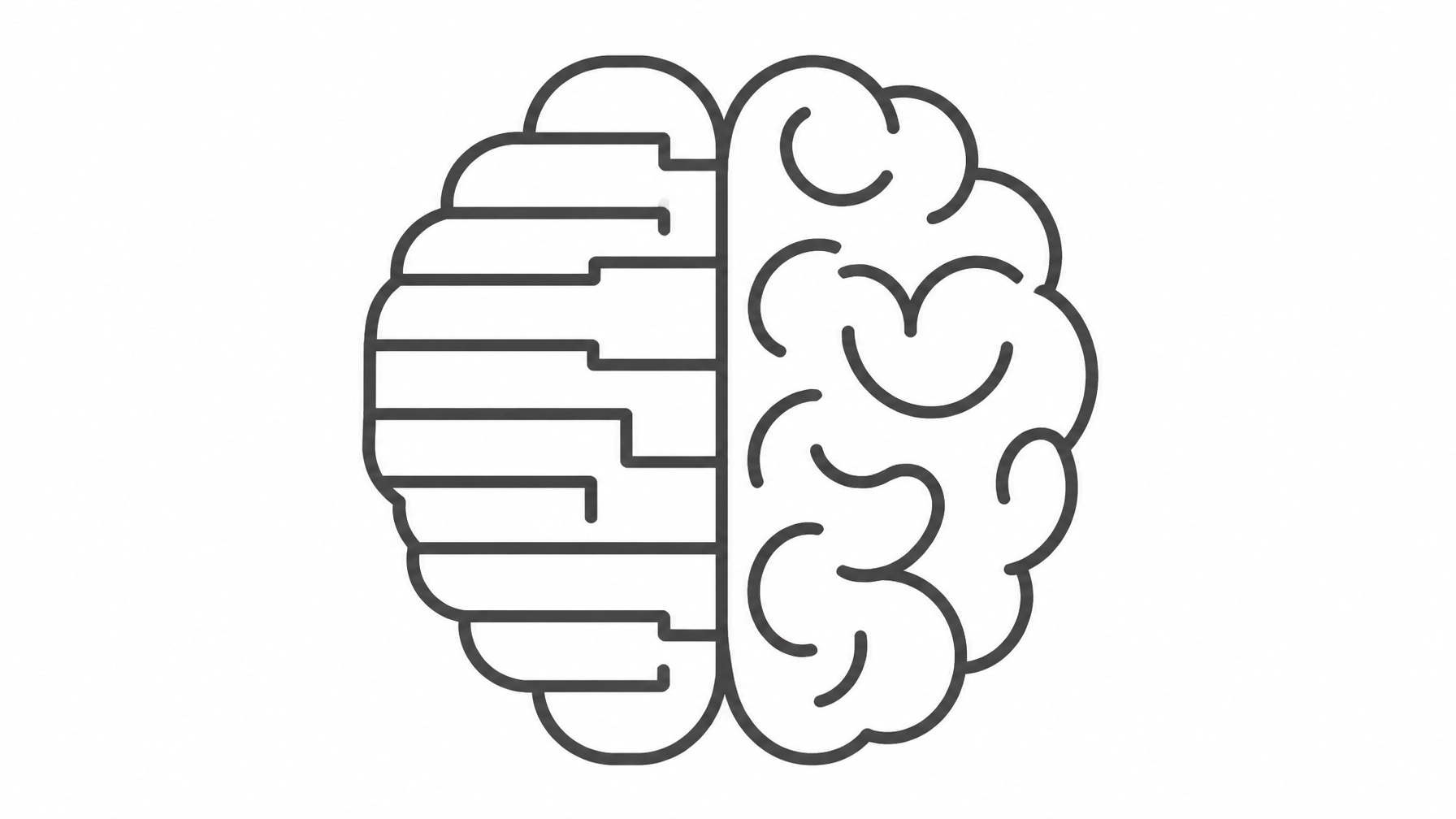
Most people believe that stopping smoking is a test of character. It’s not. It’s a biological mismatch between two very different parts of your brain.
The Intellectual Brain (The Adult)
This is your Prefrontal Cortex (PFC). It’s the part of you that knows smoking is expensive, unhealthy, and smells. It’s the part of you reading this article, thinking, "I really should stop." The PFC is responsible for logic, decision-making, and long-term planning. It is the "Adult" in the room.
The Emotional Brain (The Small Child)
This is your Limbic System, specifically the Amygdala and the Hippocampus. This part of the brain doesn't care about your mortgage, your health, or your long-term goals. It only cares about survival and immediate reward. It operates on habit and emotion. It is the "Small Child" in the room.
The Finite Battery of Willpower
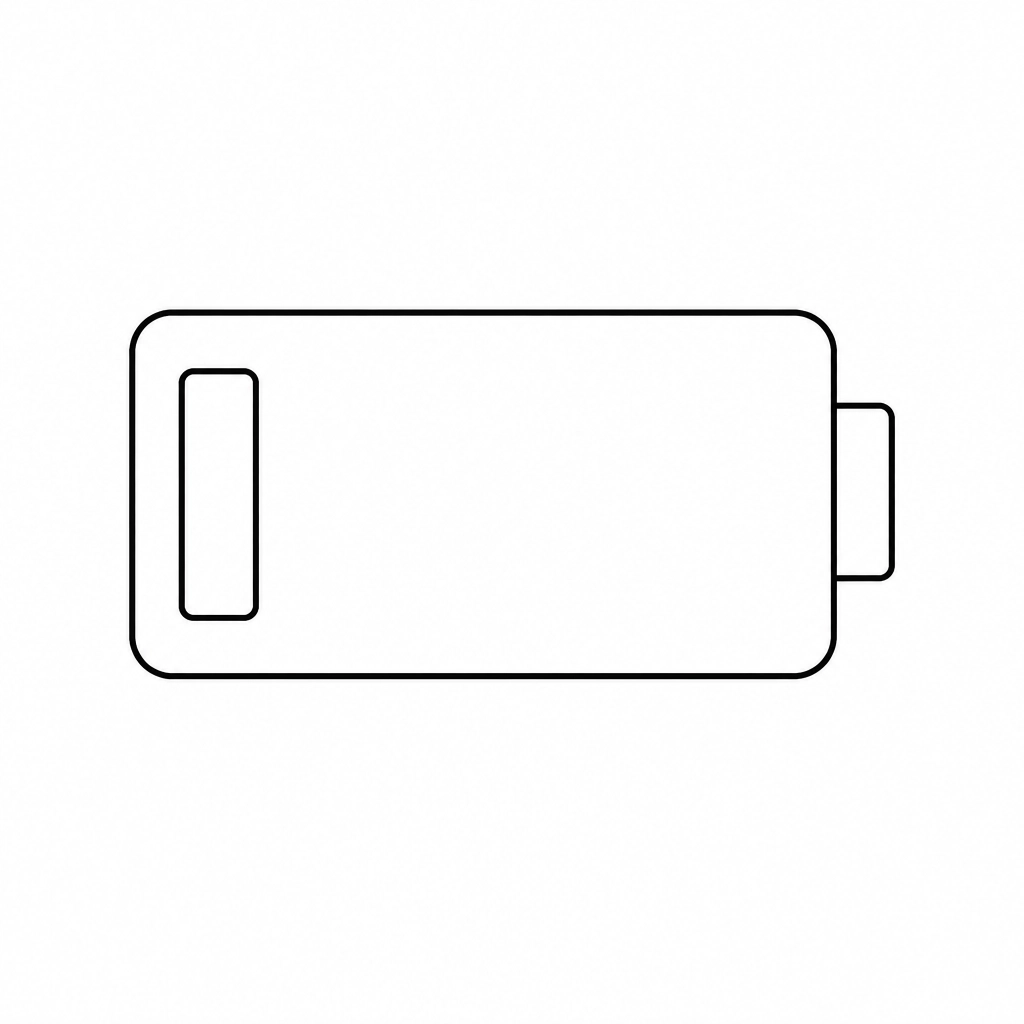
Willpower is a resource managed by the Prefrontal Cortex. Think of it like a battery on your phone. In the morning, when you are rested and calm, the battery is at 100%. You can use that power to say "no" to a cigarette.
But every decision you make during the day, what to wear, how to reply to an email, what to cook for dinner, drains that battery. By the time you are stressed, hungry, or tired, your Prefrontal Cortex goes "offline."
When the Adult brain goes offline, the Small Child (the emotional brain) takes over. And the Small Child wants its security blanket. It wants the habit it knows will provide a hit of dopamine. This is why willpower fails: You are trying to use a logical tool (willpower) to solve an emotional problem, and you’re trying to do it with a battery that has run out of charge.
The Small Child and the "Glass of Bleach" Analogy
Imagine for a second that I offered you a glass of bleach to drink. Would you need willpower to say no?
Of course not. You wouldn’t have to "try" to resist it. You wouldn’t have to hide the bleach or white-knuckle your way through the afternoon to avoid drinking it. There is no debate. There is no conflict. You have total clarity that bleach is poison and you don't want it.

Now, think about smoking. When you try to quit with willpower, a debate starts:
Adult: "It’s killing us."
Small Child: "But it helps us relax!"
Adult: "It’s so expensive."
Small Child: "Just one won't hurt, we've had a hard day."
As long as there is a debate, there is a conflict. And as long as there is a conflict, you are using willpower to keep the Small Child quiet. Eventually, the Child wins the tantrum.
To quit smoking without willpower, we have to stop the debate. We have to reach a point where a cigarette is viewed with the same absolute clarity as that glass of bleach.

Moving from Conflict to Clarity
When you achieve clarity, the struggle disappears. Clarity happens when the Intellectual Brain and the Emotional Brain are on the same page.
Neuroscience shows us that smoking actually hijacks the brain's reward system. Over time, your brain stops producing its own "feel-good" chemicals because it expects the nicotine to do the work. You aren't smoking for "pleasure"; you are smoking to return to a baseline of feeling "normal."
When you look at the cocktail of chemicals you are inhaling: arsenic, formaldehyde, lead: the "Adult" brain is horrified. But the "Small Child" doesn't see those. It just sees the "reward."
Through a smoking-cessation-focused approach and clinical hypnotherapy, we speak directly to that emotional brain. We don't use logic (because the child doesn't listen to logic); we use suggestion, visualisation, and relaxation to update the Small Child's "software." We show the emotional brain that it is safe, that it doesn't need the "security blanket," and that the cigarette is actually the very thing causing the stress it's trying to solve.
Why Solution-Focused Hypnotherapy is the "Clarity Hack"
Most people think hypnotherapy is about someone "taking over" your mind. It’s actually the opposite. It’s about giving you more control by aligning your two brains.
At Stop Smoking With Nick, we use a neuro-grounded approach. We don't focus on the "why" of the past or the trauma of the habit. We focus on the "how" of the future.
By entering a state of deep relaxation (trance), we bypass the critical, debating part of your mind. We quiet the "Adult" for a moment so we can have a calm, reassuring conversation with the "Small Child."
We replace the conflict with a new narrative:
Recognition: You realize the cigarette isn't a friend; it’s a parasite.
Regulation: You learn to regulate your nervous system without a external substance.
Resolution: The debate ends. You become a "non-smoker," not an "ex-smoker" who is "trying to quit."
When you are a non-smoker, you don't need willpower. A non-smoker doesn't "resist" a cigarette any more than you "resist" drinking bleach. They just don't do it.
Are You Ready to Stop the Debate?
Stopping smoking is one of the most profound things you can do for your mental and physical health. But you’ve probably tried the "hard way" enough times to know it doesn't work long-term.
If you are ready to stop the internal tantrum and move into a state of total clarity, I can help. Whether you are in Solihull or prefer to work online, my Smoking and Vaping Cessation program is designed to help you step into your life as a non-smoker in a single, powerful session.
No more white-knuckling. No more feeling like a failure at 5:00 PM. Just the quiet, calm confidence of knowing that you are finally free.
Book your session with Nick Whitehouse today and discover the power of clarity.
