Does Hypnotherapy Really Work for Stopping Smoking? (The Honest Answer)
If you’ve ever considered using hypnosis to quit smoking, you’ve probably had two conflicting thoughts. The first is: “I’ve heard it’s a miracle cure.” The second is: “Is this just a guy in a velvet waistcoat making people cluck like chickens?”
It’s a fair question. Does stop smoking hypnosis work, or is it just expensive theatre?
As someone who works at the intersection of coaching, neuroscience, and smoking cessation at Stop Smoking With Nick, I believe in looking at the logic, not the magic. The "honest answer" isn't a simple yes or no, it’s a "yes, if you understand how your brain actually functions."
Let’s strip away the stage-show myths and look at the science of why hypnotherapy is one of the most effective tools for permanent change.
It’s Not Magic, It’s Neuroscience
The biggest misconception about hypnotherapy is that it’s "mind control." People worry they’ll be "under" and lose their free will.
In reality, neuroscience shows that during hypnosis, your brain is actually in a state of high neurological activity. You aren't asleep or unconscious; you are in a state of focused attention, often called a "trance."

Think about the last time you drove home and couldn't remember the last three miles. Or when you were so engrossed in a movie that you didn't hear someone call your name. That’s a natural trance state.
In a professional session, we use that state to bypass the "Critical Factor" of your conscious mind, the part that says, "I need a cigarette to deal with this stress", and speak directly to the subconscious patterns that have been running on autopilot for years.
The Role of Somatic Regulation
Most people fail to quit smoking because they focus entirely on the habit and ignore the body.
When you feel stressed, your nervous system enters a state of "high alert" (the sympathetic nervous system). For years, you’ve taught your brain that a cigarette is the "off switch" for that stress.
At Stop Smoking With Nick, our approach is heavily influenced by somatic regulation and Polyvagal Theory. We don't just tell you to "stop smoking"; we help your nervous system feel safe enough to let go of the crutch.
Hypnosis works by engaging the parasympathetic nervous system, the "rest and digest" state. By practicing this deep relaxation, we are essentially retraining your body to find calm without needing a chemical hit. We are moving from a state of survival (needing the nicotine) to a state of safety.
Solution-Focused Hypnotherapy: Looking Forward
Many traditional therapies spend months digging into why you started smoking. While understanding your past is important, Solution-Focused Hypnotherapy (the core of my training) focuses on where you want to be.
We don't spend our sessions talking about how hard quitting is or how much you miss it. Instead, we use the trance state to:
Reframe Reward Systems: We alter the mental association where your brain sees a cigarette as a "reward" and starts seeing it as a "poison" or a "thief."
Strengthen Internal Motivation: We amplify the "Adult" part of your brain, the logical part that wants health and freedom, so it can finally quieten the "Child" part that wants instant gratification.
Break Automatic Behaviours: We interrupt the somatic "hand-to-mouth" loop before it even starts.
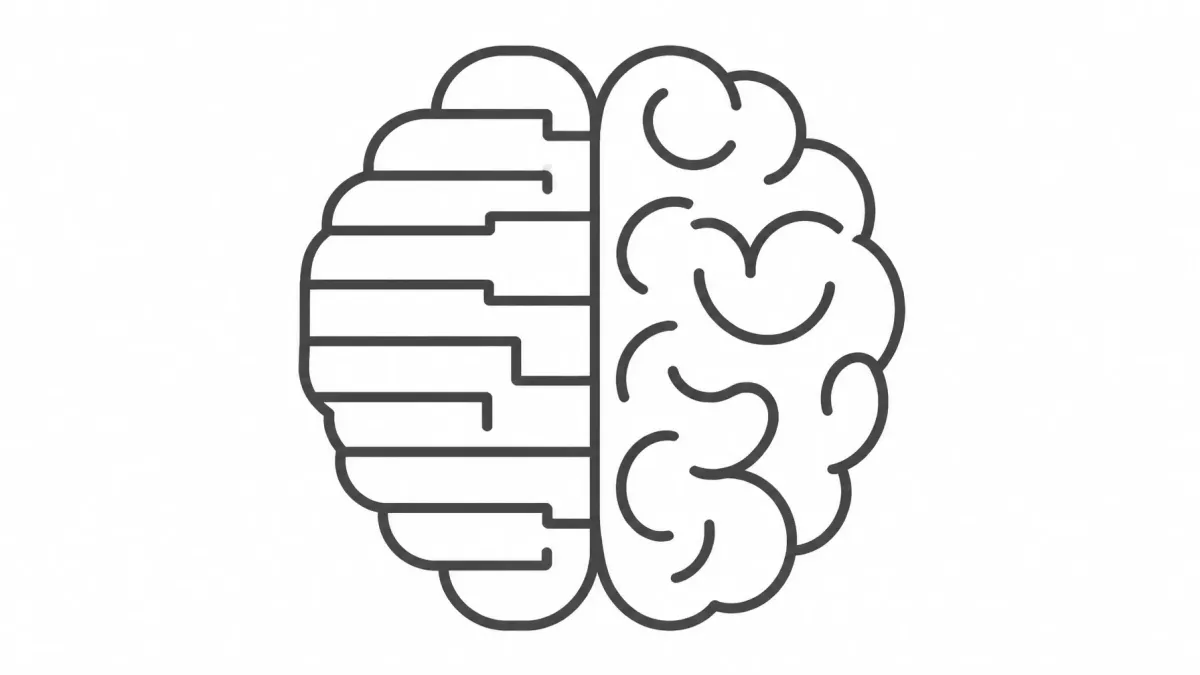
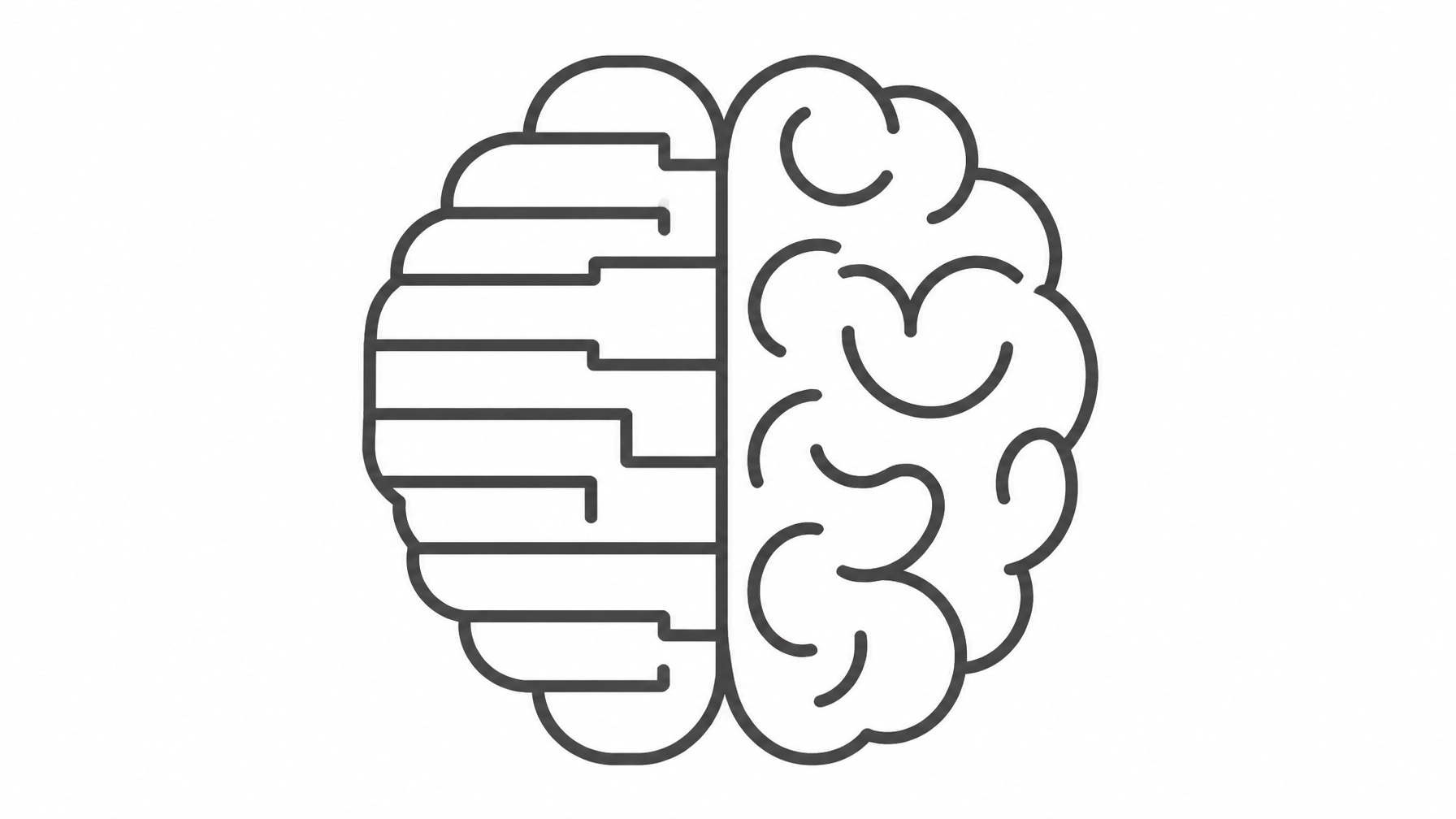
The "Adult" Brain vs. The "Child" Brain
Hypnosis is a partnership. I often tell my clients that I cannot "make" you do anything you don't want to do.
If your "Adult" brain (the Prefrontal Cortex) has decided it’s time to stop, but your "Child" brain (the Amygdala/Limbic System) is still screaming for safety and comfort, you’ll experience "willpower fatigue." Eventually, the Child wins, and you reach for a cigarette.
Hypnosis aligns those two parts. It gets the Child brain to understand that it is actually safer and happier without the toxins. When the conflict ends, the "need" for willpower disappears.
Why Most People Fail
Most people struggle to quit smoking not because they lack willpower, but because they’re working against powerful biological and psychological processes. They rely on logic alone to solve what is often a deeply conditioned, body-based habit.
It’s like trying to use a spreadsheet to stop a panic attack — it’s the wrong tool for the job.
By using hypnotherapy, we work with the nervous system and the subconscious patterns that often drive the urge to smoke.
At Stop Smoking With Nick, the focus is simple: helping people quit smoking using an approach grounded in established behavioural and mind-body principles. Whether you’ve tried to stop before or this is your first serious attempt, the principle remains the same:
Regulation creates the foundation for change.
The Verdict
So, can it work?
If you’re looking for a magic fix that works while you stay passive, the answer is no.
But if you’re looking for an approach that helps align subconscious patterns with your conscious goals, supports nervous system regulation, and can reduce the urge to smoke at a deeper level — then yes, it can.
It’s not about losing control.
It’s about finally taking it back.
Ready to see how a neuroscience-based approach can help you quit for good? Visit Stop Smoking With Nick to book a consultation and start your journey toward a smoke-free life.